
B19 · Road, Bridge & Tunnel
Stainless Steel Plates for Road Bridges and Tunnels: 304/316L Selection and 3 Parts List
In road bridges and tunnels, we have organized three parts using stainless steel: commonly used 304 / 316L / 2205, with thickness ranging from 0.8–8 mm.
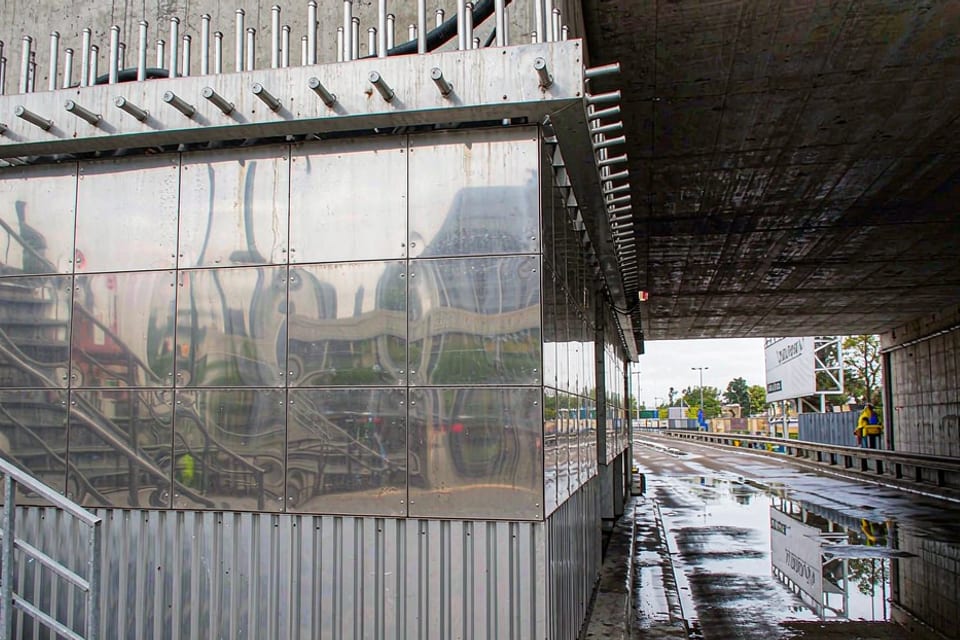
Three parts and selection lists
| Part / Component | Recommended Grade | Specifications / Thickness | Surface | Main Schadebedingungen | Referenzstandards |
|---|---|---|---|---|---|
| Brückenabdeckung/Railings/Expansion Joint Covers | 304/316L/2205 | 2–8mm | HL/No.4/2B | De-icing Salz + Ozeanatmosphäre + Kraftfahrzeugkollisionen + Müllstoffschaden | GB/T 3280;JTG D60 |
| Tunnel Liners/Drains/Gutters | 304/316L | 1.5–6mm | 2B/Skid Resistant | Moisture + Car Exhaust + Corrosive Water Leakage | GB/T 3280; JTG Tunnel Design Code |
| Sound Barriers/Lighting Posts/Signposts | 304/316L | 0.8–4mm | 2B/Drawn or Painted | Outdoor Atmosphere + UV Exposure + Wind Load | GB/T 3280 |
Table ContainsStandard Configurations.Same part may use 304, 316L, or 2205 depending on media, temperature, and welding method —— Explain the usage conditions to save time by specifying grades directly.
Key Considerations in Selection
- The most common grades used are 304 (3), 316L (3), and 2205 (1) —— Parentheses indicate the number of parts involved, which can serve as a starting point for quoting and material procurement.
- Thickness range 0.8–8 mm: Thin plates are mostly formed parts (considering bend rebound and deep drawing cracking), thick plates are mostly welded structural components (considering heat input and sensitization).
Common questions
Which stainless steel is used most in roads, bridges, and tunnels?
By total number of occurrences, the top three are 304 (3 items), 316L (3 items), and 2205 (1 item). Specific to a part still depends on the medium and temperature; for example, stainless steel countertops require switching from 304 to 316L when exposed to saltwater.
What type of parts are most prone to issues?
By failure description, typical examples include "bridge railings/impact barriers/slip joints": de-icing salts + marine atmosphere + vehicle collisions + fatigue; recommended grades 304/316L/2205, thickness range 2–8 mm. For these conditions, it's recommended to specify medium concentration, temperature, and cleaning methods in the design phase.
What thickness should I choose?
The listed thickness range is 0.8–8 mm. Thin plates consider forming and surface quality, thick plates consider welding strength and structural integrity; different manufacturers may have varying values for the same part, review your drawings or conditions to confirm.
Related materials and adjacent industries
Applications3
Thickness0.8–8mm