
B13 · Pharmaceutical Equipment
Pharmaceutical Equipment Stainless Steel Plates: 316L Selection and List of Four Parts
In our pharmaceutical equipment, we organized four parts using stainless steel: commonly used 316L with thickness ranging from 2–20 mm.
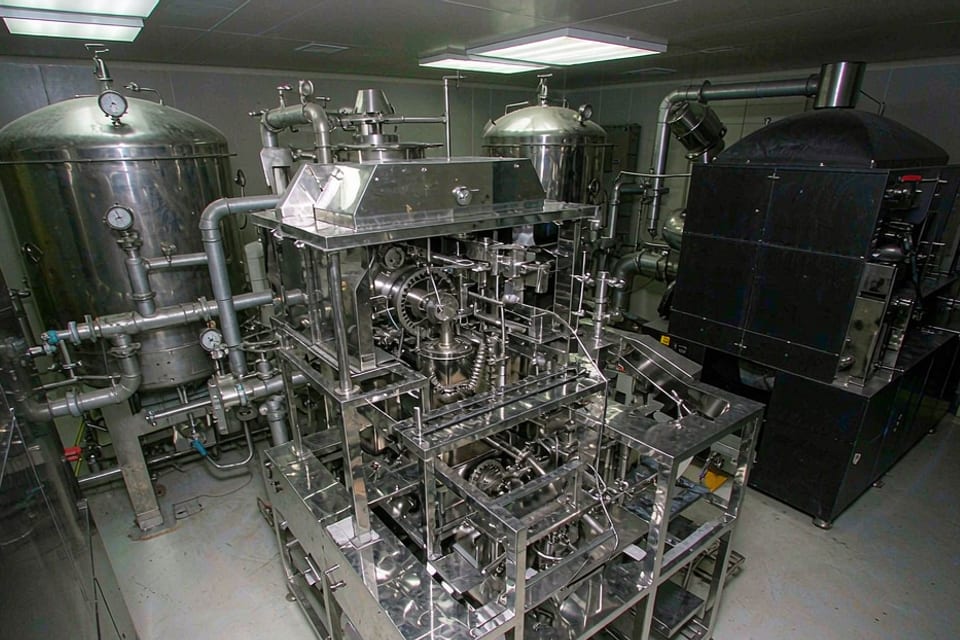
Four parts and material list
| Part / Component | Recommended grade | Size / Thickness | Surface | Main Failure Modes | Reference Standards |
|---|---|---|---|---|---|
| Steam/Pure Steam/Water Pipes/Components | 316L(ASME BPE) | 1/2″–6″ | Ra≤0.38–0.5μm (Electropolished) | HAZ Corrosion + Internal Surface Roughness → Biofilm | ASME BPE;GB/T 21833;SEMI F20 |
| Diaphragm Valves/Sampling Valves/CIP Nozzles | 316L(ASME BPE) | DN15–DN100 | Ra≤0.4μm (Electropolished) | Dead Legs + Membrane Aging + High-Temperature Sterilization Fatigue | ASME BPE;3-A;EHEDG;FDA |
| Bioreactors/Titration Columns/Ultrafiltration Membrane Shells | 316L | 3–20mm | Electropolishing/Degreasing | Corrosion+SIP Thermal Fatigue+Low Leachables | ASME BPE;GB/T 3280 |
| Vacuum Freeze Dryers/Condenser | 316L | 2–10mm | Electropolishing/Degreasing | Cold High Vacuum+Corrosion | ASME BPE;GB/T 3280 |
Inside areStandard ConfigurationsSpecify usage conditions, it's easier to avoid specifying grades.
Material Points
- Most common grade in this industry is 316L (4) —— numbers in parentheses indicate the number of affected areas for quoting and material preparation.
- High-temperature sections also suffer from thermal fatigue and oxidation; consider 310S / heat-resistant castings (2/4 hit).
- Frequent cleaning and disinfection increase risk of crevice and intergranular corrosion.
- Thickness range 2–20 mm: Thin plates are mostly formed parts (consider bending rebound and deep drawing cracking), thick plates are mostly welded structures (consider heat input and sensitization).
Common issues
What stainless steel is used most in pharmaceutical equipment?
Total pages by these 4 parts: 316L (4). Specific to a part still needs to look at the medium and temperature, for example, stainless steel countertops that contact salt water should switch from 304 to 316L.
Which part is most likely to have problems?
By failure description, typical is "pure steam/injection water pipe/pipe fittings": weld HAZ intergranular corrosion + rough inner surface → biofilm; recommended grade 316L (ASME BPE), size 1/2″–6″. This condition recommends specifying medium concentration, temperature, and cleaning method in the design phase.
How thick should it be?
Thickness range in the list is 2–20 mm. Thin plates consider forming and surface quality, thick plates consider welding and structural strength; different manufacturers may have different values for the same part, review your drawing or condition to confirm.
Related materials and adjacent industries
Applications4
Thickness2–20mm
Grades316L