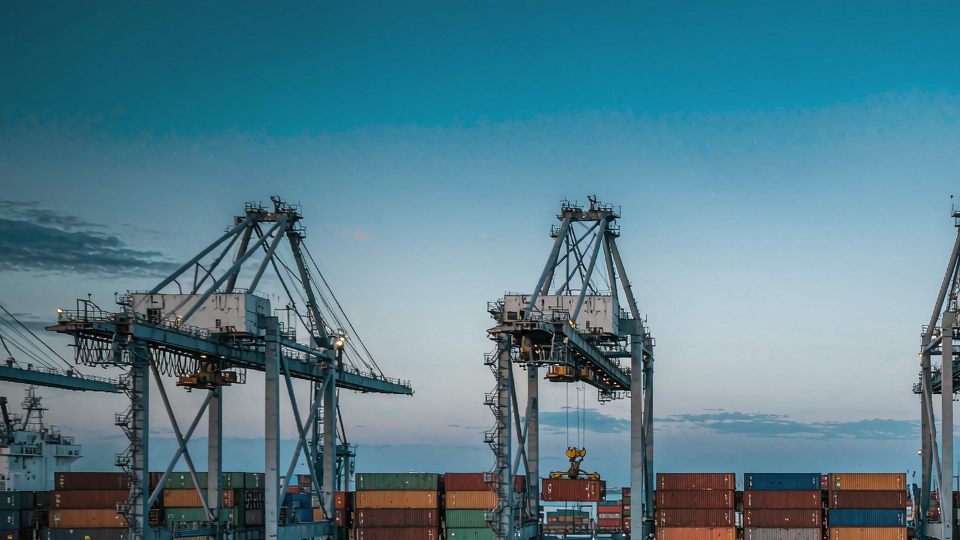
After a stainless steel coil has travelled across the ocean for a month, opening the container reveals a surface covered in rust spots — the buyer's first reaction is "wrong material", but in the vast majority of cases the material is compliant: the problem lies in the micro-environment inside the container.
One-sentence diagnosis
First distinguish "contamination rust" from "pitting". Contamination rust is shallow surface rust spots caused by iron particles or chlorides attached to the surface; after wiping off, the surface underneath is clean and bright. Pitting is a pit that goes inward and cannot be wiped off. The former is a packaging and transport issue; only the latter warrants suspicion of the material or surface treatment.
Three causes
① Condensation (most common). Large day-night temperature differences at sea cause repeated condensation on the container's inner walls and the coil surface. The condensation itself is not frightening; what is frightening is that it dissolves salts from the air — air on seawater routes contains chlorine, so the condensation becomes a dilute chloride solution, exactly what 304/316L fears most.
② Iron contamination. Steel wire ropes used for packaging, nails, iron fittings on wooden battens, mixed loading with carbon steel items, forklift forks — iron particles embed in the stainless steel surface, rust first when damp, and the rust water then contaminates the surroundings.
③ Surface residue. Chloride ions left by incomplete rinsing after pickling, hand sweat and oil stains during processing, iron filings from cutting/grinding not cleaned off. These hazards are already planted before the container is loaded.
Four things that really work in packaging
- VCI (vapour corrosion inhibitor) film + desiccant: calculate the desiccant quantity according to container volume and voyage length, not just toss in two packets; the film must completely wrap the coil — a breach equals no wrapping;
- Wooden battens must be dry: wood with high moisture content is a "reservoir", and wood treated with chlorine-containing preservatives must not be used (it will continuously release chlorine);
- Do not mix with carbon steel: placing carbon steel items in the same container means condensation will carry iron rust onto the stainless steel;
- Store coils upright: when laid flat, the coil eye easily accumulates water; upright storage lets water drain away; the bottom dunnage should allow ventilation, not lie flat against the floor.
Evidence worth keeping when loading the container
- Photos before loading (surface condition, packaging integrity);
- Temperature and humidity data logger inside the container (a few dozen yuan each, hard evidence in a claim);
- Record of desiccant quantity and placement;
- Packing list and container number for traceability.
When rust spots appear on arrival, these items determine whether responsibility can be clarified — a claim without records usually ends with each party bearing half.
Handling sequence after arrival
- First determine the nature: wipe a small area with a damp cloth/neutral cleaner; what wipes off is contamination rust; what does not wipe off and has depth is pitting;
- Contamination rust: clean with neutral cleaner + thorough drying, local passivation if necessary (nitric acid or citric acid), do not use a wire brush (it introduces new iron contamination);
- Pitting: measure the depth, assess whether it affects use; if it appears in batches, check the material (spectroscopy) and surface treatment records;
- Record and claim: take photos, mark locations, keep packaging materials, and follow the contract terms.
Common pitfalls
- Treating with chlorine-containing cleaners (such as certain rust removers, bleach) — the more you wash, the worse it gets;
- Grinding rust spots with carbon steel brushes/sandpaper, embedding iron into the surface, and the rust recurs in the same place a month later;
- Blaming only the supplier without checking the container loading records, ultimately unable to define responsibility;
- Saving cost by omitting VCI film and desiccant — the money saved is usually not enough to compensate for one coil.
Tell us the route, voyage duration, packaging method and arrival condition, and we will give packaging recommendations; when needed, we can also cooperate with your acceptance method to issue surface condition records and material certificates.