
C28 · Chemical Fiber
Chemical Fiber Manufacturing Stainless Steel Plates: 316L/904L Selection and 4 Part Lists
In the Chemical Fiber Industry, we have organized four parts using stainless steel: commonly used 316L / 904L / 304, with thickness ranging from 2–30 mm.
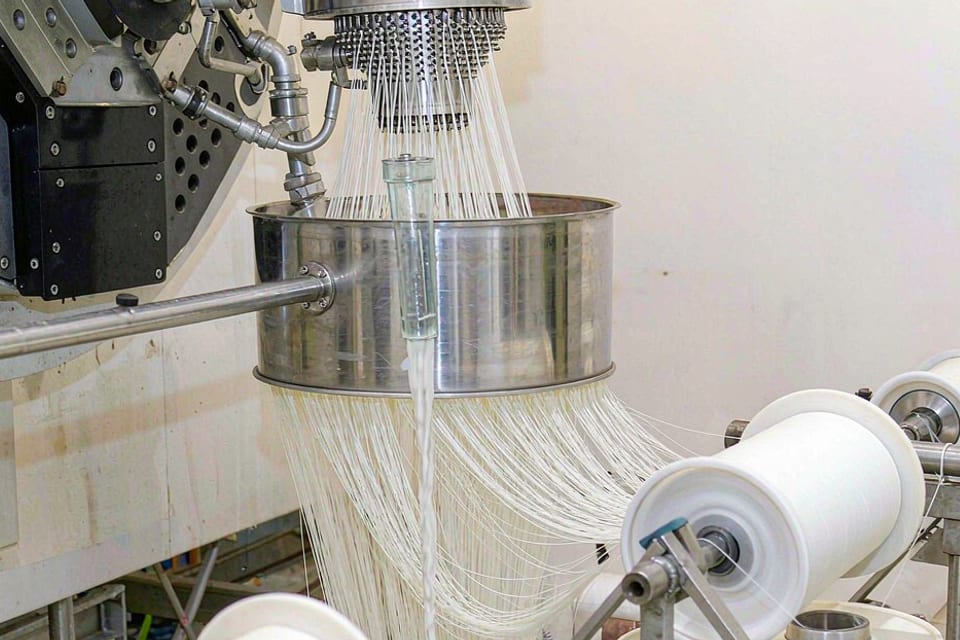
Four Parts and Material List
| Part / Component | Recommended Grade | Size / Thickness | Surface | Main Failure Modes | Reference Standards |
|---|---|---|---|---|---|
| Casting Bath/ Pipelines | 316L/904L | 2–8mm | 2B/Acid Pickling | Sulfuric Acid/Sodium Thiocyanate + High Temperature + Chloride → Erosion Corrosion; 904L PREN ≈ 34, 316L ≈ 25 | ASTM A240;GB/T 3280 |
| Spinning Box/Pumps | 316L | Forged/Plate 5–30mm | Processing Surface/Laparoscopic | High-Temperature Polymer Degradation Corrosion + Wear | GB/T 3280;GB/T 1220 |
| Drawing Rolls/Heated Rolls | 316L/304 | Roll Surface 5–20mm | Mirror/Laminate Chrome | High Temperature + Fiber Wear + Solvent Corrosion | GB/T 3280 |
| Chemical Fiber Filter Core/Filters | 316L | By Filtration Precision | Pickling/Electrolysis | Pressure Drop + Clogging + Corrosion | GB/T 3280 |
Table ofStandard Configurations. Same part can use 316L, 304, or 2205 depending on medium, temperature, and welding method —— Explain the usage conditions instead of specifying grades.
Material Points
- Most common grades in this industry are 316L (4), 904L (1), 304 (1) —— Parentheses indicate number of affected areas, useful for quoting and material preparation.
- High-temperature sections also deal with thermal fatigue and oxidation; consider using 310S / heat-resistant castings (3/4 hit).
- Wear parts (edges, liners, conveying pieces) need hardness consideration, not just corrosion resistance (2/4 hit).
- Thickness range 2–30 mm: Thin plates are mostly formed parts (considering bend rebound and deep drawing cracking), thick plates are mostly welded structural parts (considering heat input and sensitization).
Common questions
Which stainless steel is used most in chemical fiber manufacturing?
Total pages statistics show that 316L appears the most (4 items), followed by 904L (1 item) and 304 (1 item). Specific to a part still depends on the medium and temperature, for example, a stainless steel countertop would need to switch from 304 to 316L if it contacts saltwater.
Which parts are most prone to problems?
Based on failure descriptions, typical examples include "boiling bath/piping": sulfuric acid/NaSCN+high temperature+Cl⁻→pitting/groove corrosion; PREN of 904L ≈34, 316L ≈25; recommended grades are 316L/904L with specifications of 2–8 mm. For this type of condition, it is recommended to clearly specify medium concentration, temperature, and cleaning method during the design phase.
What thickness should I choose?
The listed thickness range is 2–30 mm. Thin plates consider forming and surface quality, thick plates consider welding and structural strength; different manufacturers may have different values for the same part based on your drawings or operating conditions, review them accordingly.
Related materials and adjacent industries
Applications4
Thickness2–30mm