
C19 · Leather & Footwear
Stainless Steel Plates for Leather, Fur, Feather and Shoe Industry: 316L/304 Selection and List of Four Parts
In Our Industry, We Have Organized Four Stainless Steel Parts: Commonly Used 316L / 304 / 201, Thickness Ranging from 0.3–20 mm.
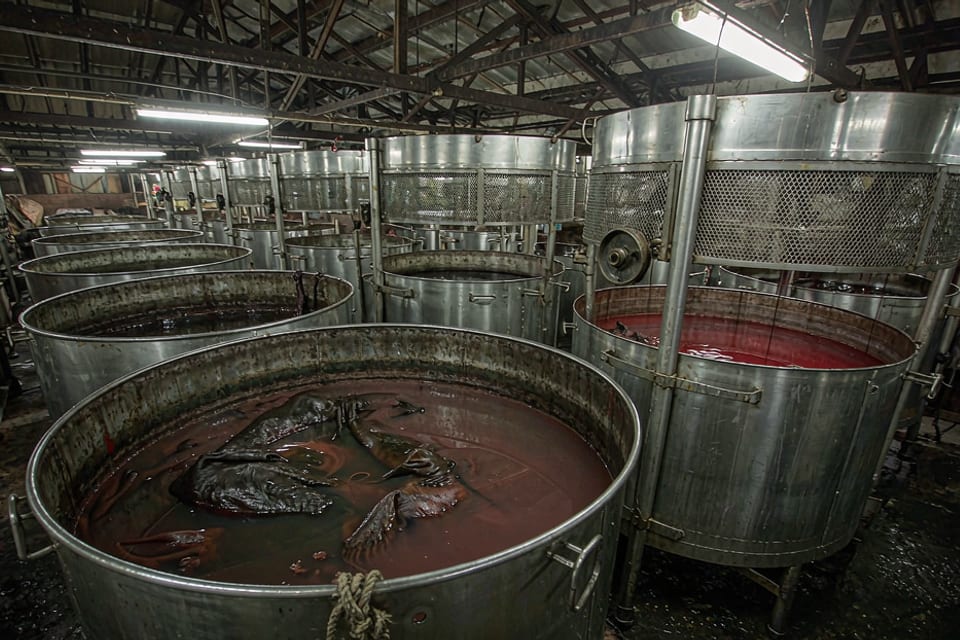
Four parts and selection list
| Part / Component | Recommended designation | Specification / Thickness | Surface | Main failure modes | Reference standards |
|---|---|---|---|---|---|
| Tanning drum body/bracket | 316L | 3–10mm | 2B/Scrubbing | Chrome tannage + acids + wear + sulfides | GB/T 3280 |
| Leather coating liquid/piping/pump body | 316L | 2–6mm | Scrubbing/2B | Chrome salts + organic acids + solvents | GB/T 3280 |
| Leather squeezing/stretching roller | 316L/304 | Roll surface 5-20mm | Mirror/polished surface | Compression wear + wet corrosion | GB/T 3280 |
| Heel eye/hand buckle | 304/201 | 0.3–1.0mm | Polishing/galvanizing | Sweat/friction/deformation | QB/T standard series |
Select materialsShow usage conditionsVariations based on media, temperature, and welding methods
Consider material selection key points
- The most common grades in this industry are 316L (3), 304 (2), and 201 (1) —— the numbers in parentheses indicate the number of parts involved, which can serve as a starting point for quoting and material procurement.
- Consider hardness for worn parts (edges, liners, conveyors) beyond just corrosion resistance (2/4 hits).
- In acidic media, 316L is only a starting point; concentrations and temperatures increase to consider 904L / duplex (2/4 hits).
- Thickness range: 0.3–20 mm —— thin plates are often formed parts (consider bending rebound and deep drawing cracking), while thick plates are welded structures (consider heat input and sensitization).
Frequently asked questions
What stainless steel is most commonly used in leather, fur, down, and footwear industries?
Total pages: 4, Stats: 316L (3), 304 (2), 201 (1), Specific parts vary based on media and temperature, e.g., stainless countertops should switch from 304 to 316L when contacting saltwater.
Where are parts most likely to go wrong?
What's the failure description? Typical: "Copper drum body/bracket". Chrome tanning solution + acid/base + wear + sulfides. Recommended grade 316L, size 3–10mm. For this condition, specify media concentration, temperature, and cleaning method in design.
How thick should it be?
Thickness range in the list is 0.3–20 mm. Thin plates focus on forming and surface treatment, thick plates consider welding and structural strength; values from different manufacturers for the same location may vary, recheck based on drawings or conditions.
Related materials and adjacent industries
Applications4