
C27 · Pharmaceutical
Pharmaceutical Stainless Steel Plates: 316L/904L Selection and 7 Part Lists
In the Pharmaceutical Industry, we have organized 7 parts using stainless steel: commonly used 316L / 904L, with thickness ranging from 1.5–30 mm.
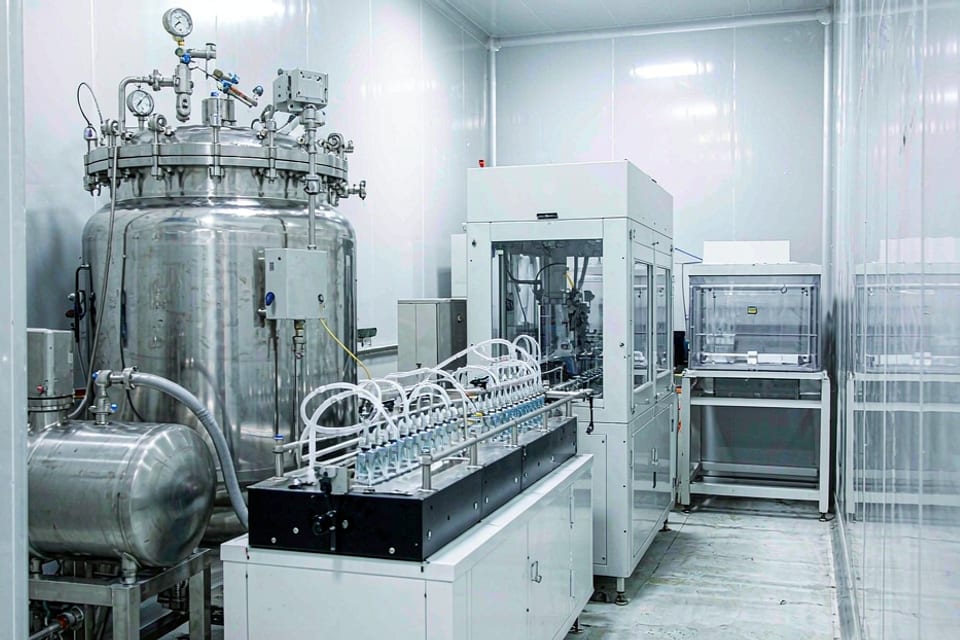
7 parts and material list
| Part / Component | Recommended grade | Size / Thickness | Surface | Main failure modes | Reference standards |
|---|---|---|---|---|---|
| Reactors/Batch crystallizers for API | 316L/904L | 6–30mm | 2B/Electropolishing Ra≤0.4μm | Corrosion of media+cleaning agents+intergranular corrosion | ASME BPE;GB/T 3280;NB/T 47008 |
| Centrifuges drum/filters | 316L | Drum 3–10mm | Electropolishing/Acid washing | Centrifugal stress+corrosive fatigue+clogging | GB/T 3280;JB/T 20139 series |
| Dryer interior walls/dump hoppers | 316L | 1.5–4.0mm | Electropolishing Ra≤0.4μm | Adhesion of material+cleaning+corrosion | ASME BPE;GB/T 3280 |
| Sanitary diaphragm valves | 316L(ASME BPE 1.4435/BN2) | DN15–DN100 | Electropolishing Ra≤0.4μm | Retention in dead zones→microbial growth; membrane aging; 143°C sterilization | ASME BPE;3-A;EHEDG;FDA;USP Class VI |
| Clean Pipes/Fittings/Gauges | 316L(ASME BPE) | 1/4″–6″ | Ra≤0.4μm Electro-polishing; Intergranular Corrosion Test | Incomplete Cleaning Leads to Cross-contamination and Corrosion | ASME BPE;SEMI F20;GB/T 21833 |
| Sterilization Tanks/Water Storage Vessels | 316L | 3–10mm | Ra≤0.4μm Electro-polishing | Cl⁻ Erosion, Welding SCC, Biofilm in Corners | ASME BPE;GB/T 3280;ISPE |
| CIP Ball/Sampling Valves | 316L | By Interface | Electropolish/Degreasing | Incomplete Cleaning Leads to Cross-contamination and Corrosion | ASME BPE;3-A |
Table isStandard Configuration.Different parts for the same material may switch from 304 to 316L or 2205 based on usage conditions. Explain clearly, not just specifying grades.
Material Selection Tips
- Most common grades in this industry are 316L (7), 904L (1) —— Numbers in parentheses indicate the number of parts involved, useful for quoting and material preparation.
- Frequent Cleaning and Disinfection Increase Risk of Gaps and Intergranular Corrosion (4/7 hits).
- Welded parts check sensitization and chloride-ion stress-corrosion cracking (3/7 hits).
- Thickness range 1.5–30 mm: Thin plates are formed pieces (consider bending rebound and deep drawing cracks), thick plates are welded structures (consider heat input and sensitization).
Common issues
Which stainless steel is used most in pharmaceutical manufacturing?
Out of the total 7 parts, 316L appears most frequently (7 hits), followed by 904L (1 hit). Specific to a part still depends on the medium and temperature, for example, a stainless steel countertop would need to switch from 304 to 316L if it contacts salt water.
Which parts are prone to problems?
Based on failure descriptions, typical issues include "cleaning pipes/pipe fittings/clamp": weld heat-affected zone intergranular corrosion + rough inner surface → inadequate cleaning; recommended grade 316L (ASME BPE), size 1/4″–6″. For this condition, it's recommended to specify medium concentration, temperature, and cleaning method in the design phase.
What thickness is generally chosen?
The listed thickness range is 1.5–30 mm. Thin plates consider forming and surface quality, thick plates consider welding and structural strength; different manufacturers may choose different values for the same part based on your drawings or conditions, review them accordingly.
Related materials and adjacent industries
Applications7
Thickness1.5–30mm