
C16 · Tobacco
Stainless Steel Plates for Tobacco Industry: 316L/304 Selection and 4 Part Lists
In the tobacco industry, we have organized four parts using stainless steel: commonly used 316L / 304 / 420, with thickness ranging from 1–8 mm.
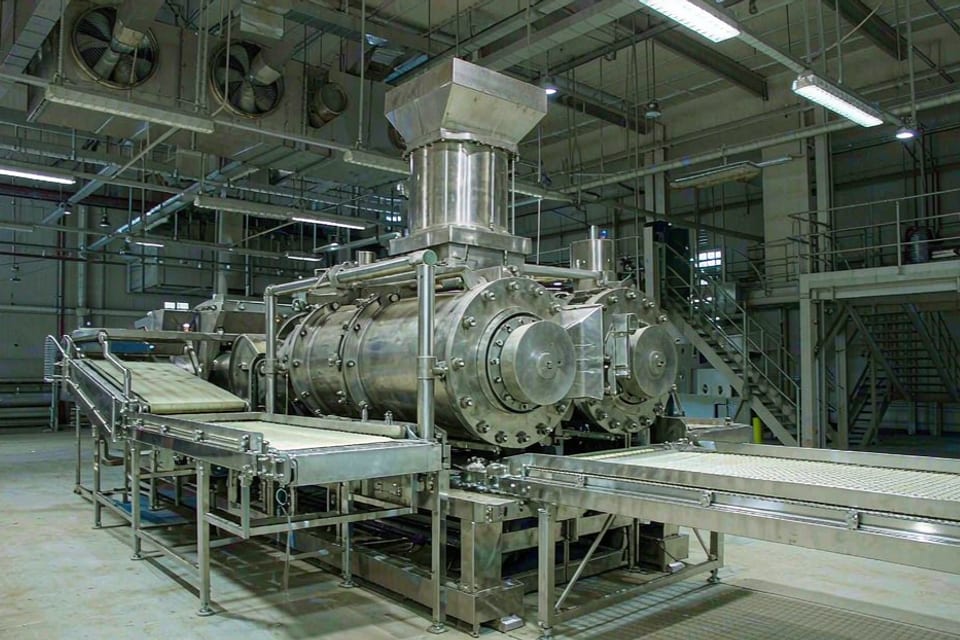
List of parts and materials to be selected
| Part / Component | Recommended designation | Size / Thickness | Surface | High failure modes | Standards |
|---|---|---|---|---|---|
| Cured tobacco humidification/drying drum | 304/316L | 2–6mm | 2B/Ra≤0.8μm | Steam + moisture + tobacco wear + fragrance corrosion | GB/T 3280; YC/T Mechanical Standards |
| Slicers blade/roller | 420/440C | Blade 3-8mm | Quench hardening + polishing | High hardness cutting wear + chipping | GB/T 1220; YC/T Slicers Standard |
| Rolamite gun/forming parts | 304/316L | 1–3mm | Mirror / 2B | Tobacco wear + fragrance + cleaner | GB/T 3280; YC/T ROLAMITE Gun Standard |
| Pulper pipe | 316L | 2–6mm | 2B | High temperature steam + medium corrosion | GB/T 3280 |
Table showsStandard Configurations.Different media, temperatures, and welding methods can require 316L, 304, or 2205 for the same part — explaining usage conditions saves time by specifying grades directly.
Key Considerations
- The most common grades in this industry are 316L (3), 304 (2), and 420 (1) — parentheses indicate affected areas, useful for quoting and material planning.
- High-temperature sections also consider thermal fatigue and oxidation; if needed, use 310S or heat-resistant castings (3/4 hits).
- Wear parts like cutting edges, liners, and conveying components need hardness considerations, not just corrosion resistance (3/4 hits).
- Thickness range: 1–8 mm — thin plates are formed pieces (consider bending rebound and deep drawing cracking), thick plates are welded structures (heat input and sensitization concerns).
Common Issues
What type of stainless steel is used most in the tobacco industry?
Based on these four parts, 316L (3) and 304 (2) appear most frequently. Specific to a part depends on media and temperature; for example, stainless countertops exposed to saltwater should switch from 304 to 316L.
What type of component is the hardest to manage?
Based on failure descriptions, typical issues are "cured/air-dried rolls": steam + humidity + leaf wear + fragrance corrosion. Recommended grade 304/316L, size 2–6mm. For this condition, specify media concentration, temperature, and cleaning methods in the design phase.
What thickness is generally needed?
The listed thickness range is 1–8 mm. Thin plates consider forming and surface quality, thick plates welding strength; different manufacturers may choose differently based on your drawings or operating conditions.
Related Materials and Adjacent Industries
Applications4
Thickness1–8mm
Grades316L